
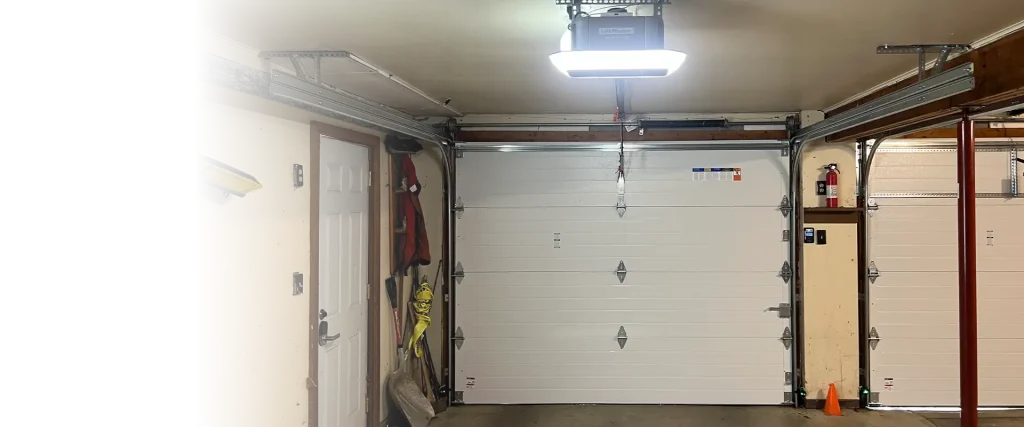
Residential garage door operators are available to homeowners, and some people who are experienced with tools may choose to install one themselves. However, installing an operator correctly involves more than mounting the powerhead and rail.
Before an operator is installed, the garage door itself should be operating properly and be correctly balanced. The operator then needs to be securely mounted, connected to the door correctly, wired properly, adjusted, and tested so that its travel limits, controls, photo eyes, and required safety functions operate as intended.
For many homeowners, having the complete door and operator system inspected and professionally installed is the simpler and more reliable option.
What Garage Door Opener Installation Actually Involves
A garage door operator is one part of a larger door system. The garage door should move properly and remain correctly balanced on its own before an operator is expected to move it.
A proper operator installation includes selecting equipment appropriate for the door and application, securely mounting the operator and rail, connecting the door to the operator correctly, installing the controls and photo eyes, setting travel limits, and testing the completed system.
The Steps a Proper Installation Includes
A typical residential operator installation includes:
- Inspecting the garage door before installing the operator
- Confirming that the door is properly balanced and moves freely
- Selecting an operator appropriate for the door and application
- Securely mounting the powerhead, rail, and required supports
- Properly connecting the operator to the garage door
- Installing and aligning the photo-eye safety sensors
- Installing the wall control and applicable wiring
- Setting the open and close travel limits
- Testing the operator’s required safety-reversal functions
- Programming remotes, keypads, and applicable connectivity features
- Testing the door and operator together before the installation is considered complete
The important part is not simply getting the operator to open and close the door. The completed system should operate properly, reliably, and according to the manufacturer’s installation requirements.
Why This Isn’t the Same as a Simple Home Repair Project
The Door Needs to Operate Properly Before the Operator Is Installed
A garage door operator is designed to move a properly functioning and properly balanced garage door. It should not be used to overcome a door that is binding, excessively heavy, damaged, or improperly balanced.
The spring system counterbalances much of the door’s weight so that the door can be operated with reasonable effort. If there is a problem with the springs, cables, track, rollers, or other door components, installing a new operator does not correct the underlying mechanical problem.
That is why the garage door should be inspected and operated independently before a new operator is installed.
Problems with the garage door can sometimes be mistaken for operator problems. A broken spring, binding door, damaged hardware, disconnected operator, or other mechanical issue can change the way the operator behaves. Rather than diagnosing the problem based on one symptom, the door and operator should be evaluated separately to determine the actual cause.
Photo Eyes and Safety-Reversal Systems Need to Be Installed and Tested Correctly
Modern residential garage door operators include required entrapment-protection features. These commonly include photo-eye sensors near the bottom of the opening along with the operator’s required safety-reversal functions.
The photo eyes need to be properly located, wired, aligned, and tested. The operator’s travel and safety-reversal functions also need to be adjusted and tested according to the manufacturer’s instructions.
These systems should not be bypassed or treated as optional simply to make an operator run.
Structural Support and Electrical Requirements
The operator and rail system need to be securely supported by the building structure. Improper mounting can allow the operator or rail to move during operation and can affect how the entire system performs.
The operator also requires an appropriate electrical supply and proper installation of its low-voltage controls and safety devices. Existing framing, ceiling height, door type, track configuration, and available electrical service can all affect how the operator should be installed.
Installing a Complete Garage Door Is a Different Project
Replacing a garage door is substantially different from replacing a residential operator.
A complete garage door installation involves the sections, track, rollers, hinges, cables, spring system, supporting hardware, and proper adjustment and balance of the finished door. Spring systems store significant mechanical energy and require the proper tools, knowledge, and procedures to install and adjust correctly. For that reason, we recommend professional installation of complete garage door systems rather than treating a new garage door as a typical homeowner DIY project.
When a new garage door and operator are installed together, the door should first be properly installed, balanced, and tested before the operator is adjusted to work with it.
When Professional Operator Installation Makes the Most Sense
Professional installation may be the better choice when:
- The garage door does not move smoothly or balance properly
- The condition of the spring system or other door components is uncertain
- A new garage door and operator are being installed together
- The installation requires additional framing or structural support
- The existing operator installation or wiring has been altered or damaged
- The door or track configuration is nonstandard
- The homeowner wants the complete system inspected, installed, adjusted, and tested at the same time
- The homeowner prefers to have the installation covered by the installer’s labor warranty
Even on a standard residential replacement, professional installation also eliminates the need for the homeowner to determine whether an existing door problem should be corrected before the new operator is installed.
Comparing DIY With Professional Installation
The main advantage of DIY installation is saving the labor cost of professional installation.
For someone who is comfortable with the work and has a properly operating garage door, that may be worthwhile. However, the comparison should also include the time required to complete the installation, determine whether the existing door is operating correctly, make the necessary adjustments, and properly test the finished system.
Professional installation provides the additional benefit of having the garage door inspected at the same time, identifying mechanical issues that could affect the new operator, and having the completed door and operator system tested before the job is finished.
The right choice depends on the homeowner’s experience, comfort level, and the condition of the existing garage door.
Experience Matters When Something Is Not Quite Right
A standard operator replacement can be relatively straightforward when the existing garage door is properly installed, balanced, and operating correctly.
The more important experience comes into play when something is not operating as expected. An experienced garage door technician can determine whether the problem is actually with the operator or whether the door, spring system, track, hardware, wiring, controls, or another component needs attention first. That helps prevent a new operator from being installed on a door that already has an unresolved mechanical problem.
Frequently Asked Questions
Can I install a residential garage door operator myself? Some homeowners who are experienced with tools choose to install their own operator. The garage door should already be operating properly and be correctly balanced, and the operator must be installed, adjusted, and tested according to the manufacturer’s requirements.
Is installing a complete garage door different from installing an operator? Yes. A complete garage door installation includes track, sections, cables, hardware, and the spring system. Spring systems store significant mechanical energy and require the proper tools, procedures, and experience. We recommend professional installation for complete garage door systems.
What should be checked before installing a new garage door operator? The garage door should move freely, be properly balanced, and have no significant problems with the springs, cables, rollers, track, sections, or other hardware.
What safety systems need to be checked after an operator is installed? The photo eyes, travel limits, and required safety-reversal functions should be properly adjusted and tested according to the operator manufacturer’s instructions.
Do you install operators with new garage doors? Yes. We can install the garage door and operator as a complete system so that the door is properly installed and balanced before the operator is set up and tested.
What brands of residential operators does J Andrews Doors install? J Andrews Doors installs LiftMaster and Genie residential garage door operators.
Can you replace an operator without replacing the garage door? Yes. If the existing garage door is in good condition and operating properly, the operator can be replaced independently.
Professional Garage Door Operator Installation
Installing a residential garage door operator is possible for some experienced homeowners, but the installation should begin with a garage door that is mechanically sound, properly balanced, and operating correctly.
At J Andrews Doors, we look at the complete door system before installing a new operator. If the door needs attention first, we will explain what we find. If the door is operating correctly, we can install, adjust, and test the new operator as a complete system.
J Andrews Doors serves Youngstown and communities throughout Northeast Ohio, Western Pennsylvania, and the Northern Panhandle of West Virginia.
Call (330) 870-3667 or request a free estimate for a new garage door or residential operator installation.
Our first price is our best price. No inflated pricing just so we can offer a coupon. No gimmicks.